The short answer
A pre-purchase inspection is an independent professional assessment of a vehicle’s condition before you buy it. Its value depends on the agreed scope and the inspector’s expertise.
Agree the scope first
Choose a qualified inspector who is independent of the seller. Tell them the model, year, powertrain, and your concerns. Ask what the service includes before booking. Inspection packages differ; there is no universal promise behind the phrase “full inspection.”
Ask whether the assessment includes a road test, examination underneath, tires and brakes, steering and suspension, visible leaks, body damage, and an electronic diagnostic scan. This is a proposed scope to discuss, not a claim that every package includes these tasks. Ask what cannot be accessed or tested.
Sources: Federal Trade Commission ↗

Match the expertise to the car
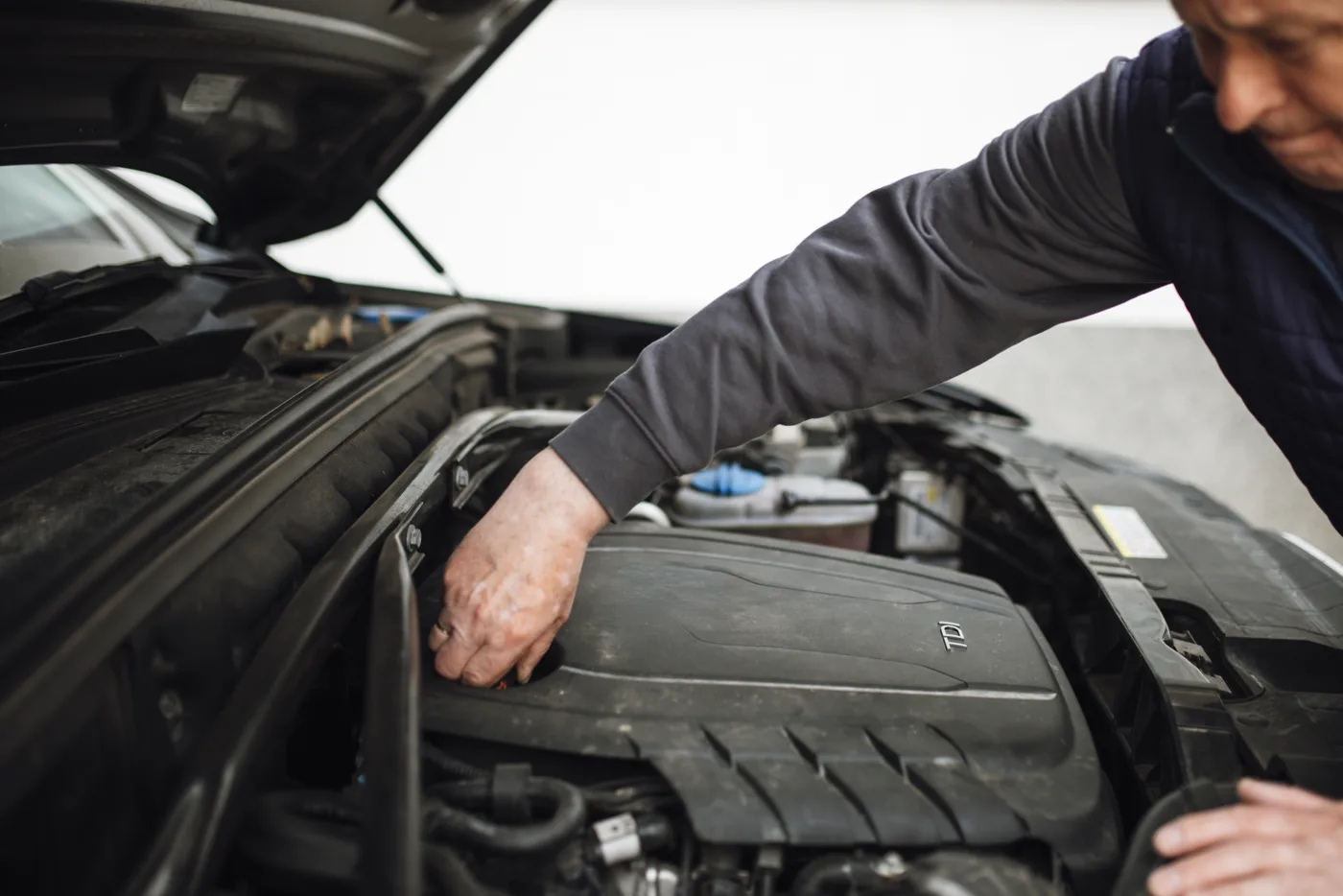
For an engine-equipped car, ask how the inspector assesses the engine and transmission. For a hybrid or battery electric car, ask what battery information they can obtain and what their test actually measures. A dashboard range estimate alone is not a comprehensive battery assessment.
High-voltage systems need appropriate training and procedures. A general visual check may not establish traction-battery capacity or internal condition. Ask about specialist testing when that uncertainty could affect your decision.
Sources: U.S. Department of Energy ↗
Common misunderstandings
A mechanical inspection is different from a legally required safety or emissions inspection. Their purposes and scope can differ by market.
An inspection describes what can reasonably be assessed at that time. It cannot guarantee future reliability or reveal every hidden fault without dismantling the vehicle. Agree the limits in writing.
Sources: Federal Trade Commission ↗
Sources & review
Reviewed . Original educational explanation, checked against the sources below. This is general guidance; consult the documents for the exact vehicle, year, configuration, and market.
- Buying a Used Car From a DealerFederal Trade Commission · Do Some Homework; Get an Independent Inspection Before You Buy; The Buyers Guide · Accessed 2026-10-22.
- Maintenance and Safety of Electric VehiclesU.S. Department of Energy · Alternative Fuels Data Center · Maintenance Comparison and Battery Maintenance · Accessed 2026-10-22.