Buying a car with confidence: history, test drives, and inspections
Prepare for a used-car purchase with a clear reading path through ownership costs, service history, test drives, recalls, and independent inspections.
Follow the reading pathSource-checked October 23, 2026. Editorial policy and review limits.
Build evidence around the individual car
Budget for ownership as well as purchase
The price in an advertisement is one part of the cost of owning a car. Include fuel or electricity, insurance, registration, and maintenance when preparing a budget. The U.S. Federal Trade Commission advises buyers to consider running costs alongside the kind of car they need.
Start with your own journeys, parking, passenger needs, and budget. Use the articles below to build a list of questions before choosing individual listings. The purpose is to make your assumptions visible so that a seller, insurer, or inspector can help you check them.
Sources: Federal Trade Commission
History and inspection answer different questions
A vehicle history report is not a substitute for an independent inspection. The Federal Trade Commission recommends having a used car inspected even if a dealer says it has already been checked or certified. Ask for a written report that identifies the vehicle and estimated repair costs.
Use service records to prepare questions, and agree the inspection’s scope before paying for it. Our inspection guide explains how to ask what is included and excluded. Keep the report beside the seller’s description so you can discuss differences before committing to the purchase.
Sources: Federal Trade Commission
Recall checks have a defined scope
In the United States, the National Highway Traffic Safety Administration lets you search for open safety recalls using a vehicle identification number, or VIN. Its results have limits: they may omit very recent recalls, completed repairs, and recalls outside the covered period.
A result is therefore evidence from one specific check. Read the limitations on the official page, then follow up with the manufacturer if anything is unclear. For another market, find the relevant official recall service and the manufacturer’s local support channel.
Start here. Build one idea at a time.
Follow this sequence before arranging a viewing. It starts with your budget, moves through records and driving observations, and finishes with an independent assessment.
What a car costs beyond the purchase price
Write down the costs that will continue after purchase. Use your own assumptions rather than treating an advertised price as the full budget.
What mileage, age, and service history really tell you
Read distance, age, and service records together. Prepare follow-up questions instead of expecting one number to summarize condition.
Use the VIN to check recalls before buying
Identify the exact vehicle and find the appropriate official recall lookup. Learn what a lookup result can and cannot tell you.
What to notice on a test drive
Plan an ordinary, safe drive that helps you assess suitability and record concerns. Keep observations clear enough to discuss with an inspector.
What a professional inspection should cover
Agree the scope of an independent assessment. Ask for findings in writing and use them to investigate repair costs before deciding.
Common misunderstandings
A history report replaces an inspection
A record of past events and an assessment of current condition have different purposes. The Federal Trade Commission explicitly recommends an independent inspection alongside history research.
Explore this in the full explanation →
No open recall means no possible problem
An official recall lookup covers a defined set of safety campaigns and has stated exclusions. Read those limits and continue the broader assessment of the car’s records and condition.
All 18 explanations in this topic
 Ryan Pouncy · CC0 · cropped
What mileage, age, and service history really tell you
Look beyond a single odometer number and build a picture from several kinds of evidence.
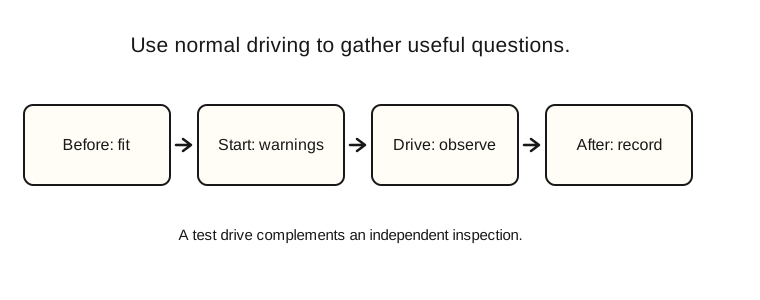
What to notice on a test drive
A calm, repeatable checklist for checking the fit and spotting questions worth investigating.
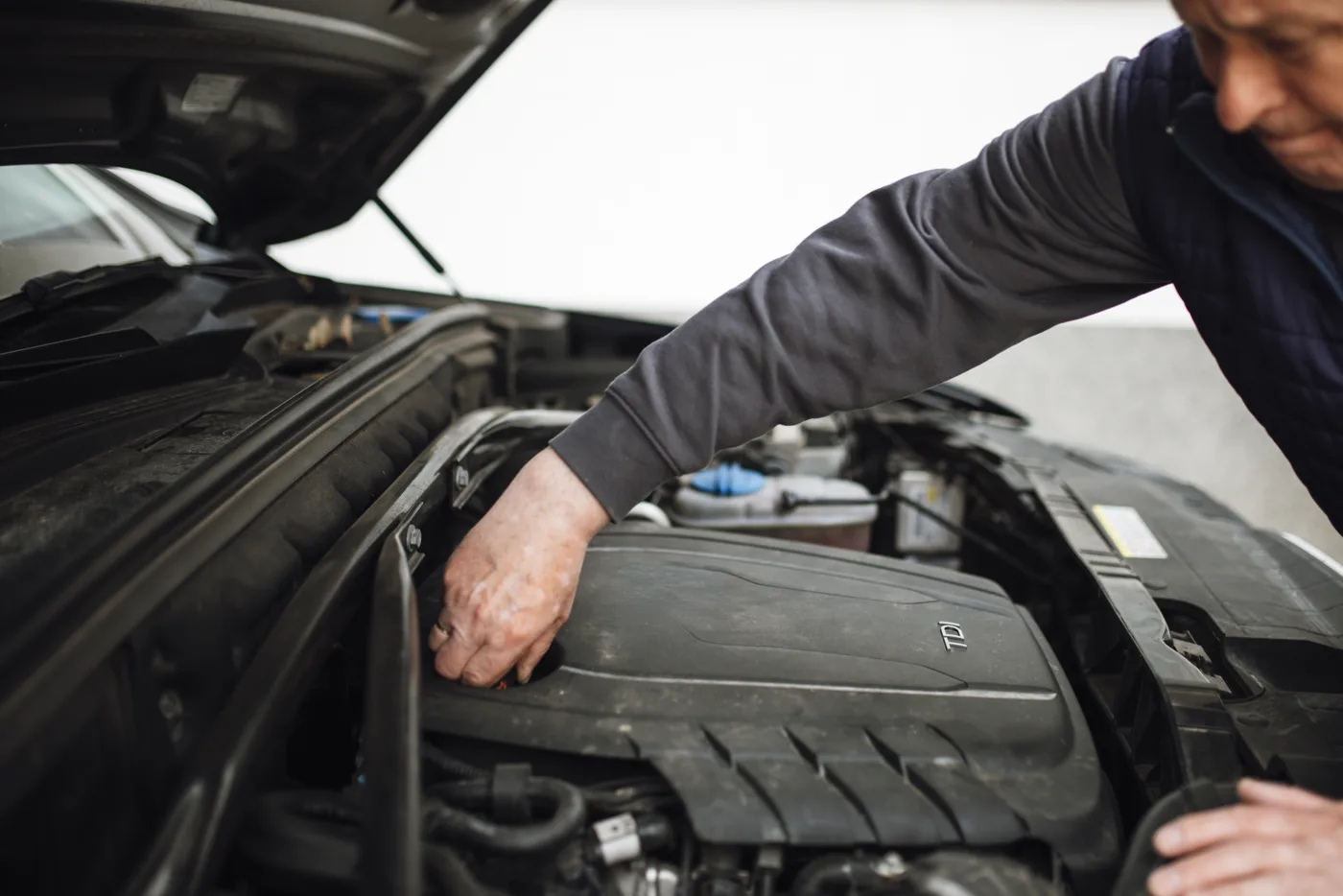 Nenad Stojković (Shixart1985) · CC BY 2.0 · cropped
What a professional inspection should cover
Agree the scope, understand the limits, and ask for a written report before you commit.
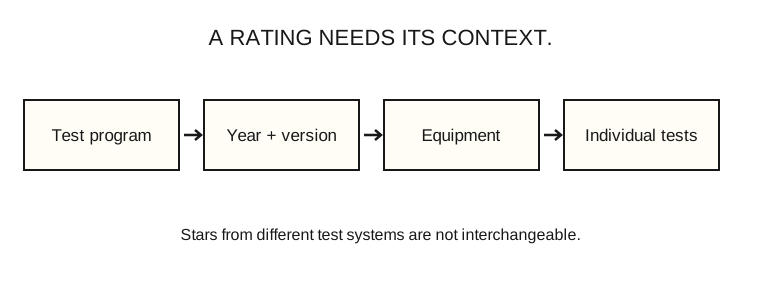
How to read crash-test and safety ratings
Match a safety score to its test program, year, equipment, and comparison limits.
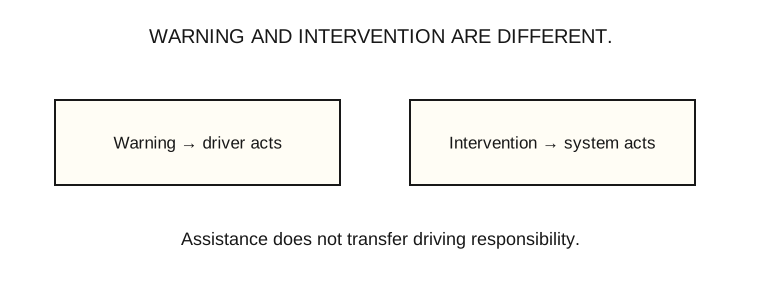
Driver assistance: warnings, interventions, and limits
Translate feature names into actual functions without mistaking assistance for autonomous driving.
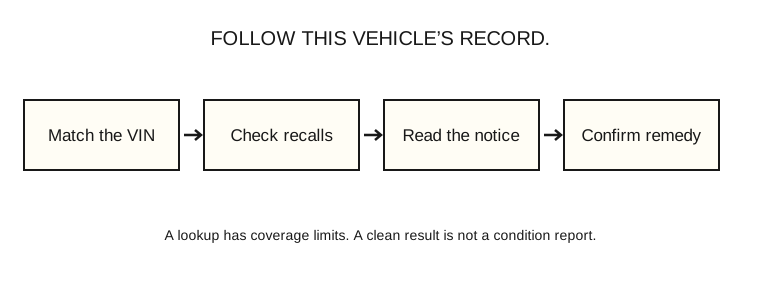
Use the VIN to check recalls before buying
Match the car to its records, understand recall-lookup limits, and ask for evidence of completed work.
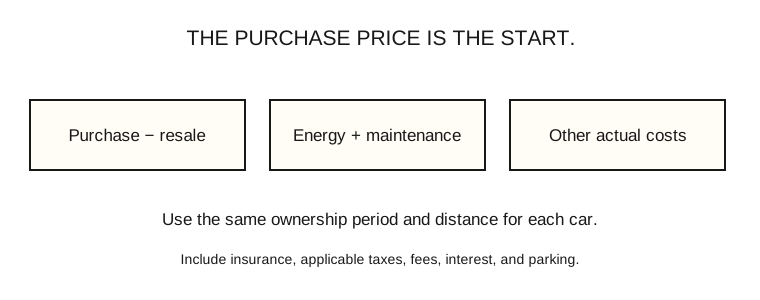
What a car costs beyond the purchase price
Build a clear ownership comparison using your distance, local prices, and the actual car’s needs.
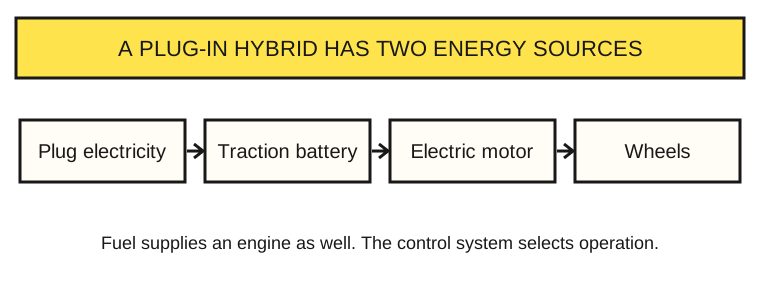
Will a plug-in hybrid fit your daily driving?
Connect charging access, daily distance, engine operation, and maintenance before comparing a plug-in hybrid.
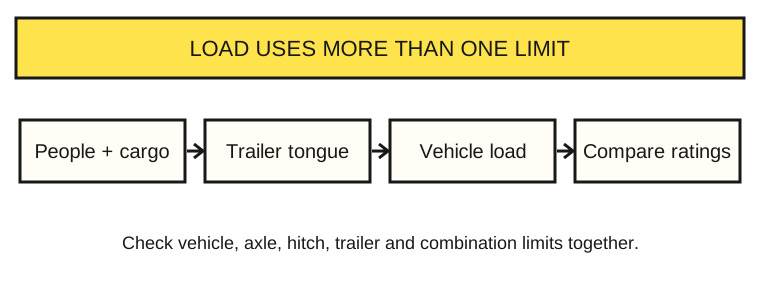
Payload and towing capacity: two different limits
Count people, luggage, accessories, and trailer tongue load before relying on an advertised towing maximum.
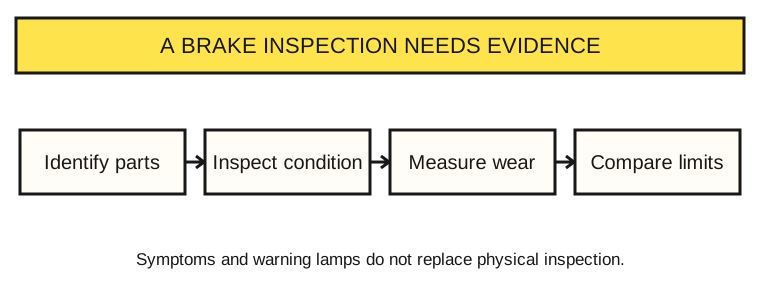
What a brake inspection should tell a buyer
Ask for measured wear, component condition, and a clear repair scope rather than a guess at remaining life.
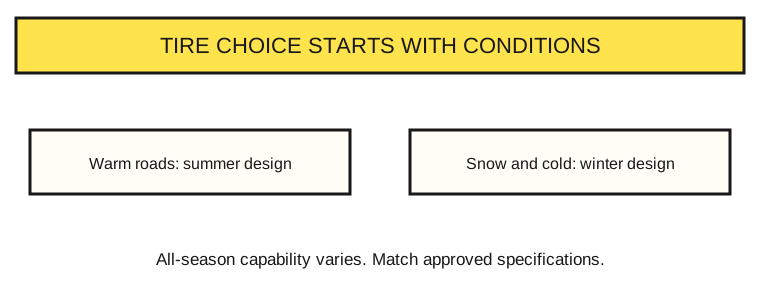
Summer, winter, and all-season tires: choose for the conditions
Look beyond tread depth to the tire’s intended weather, size, condition, and vehicle approval.
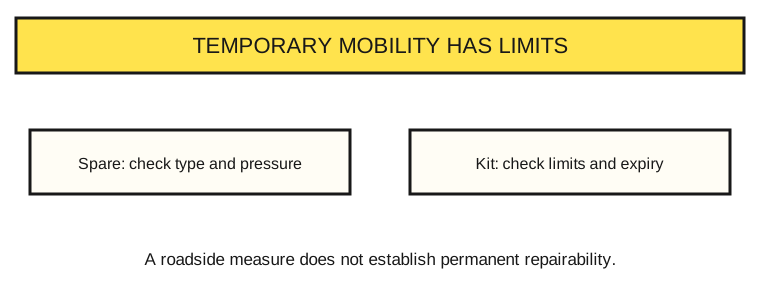
What replaces a flat tire: spare wheels and mobility kits
Check the actual roadside equipment before assuming the car carries a usable spare.
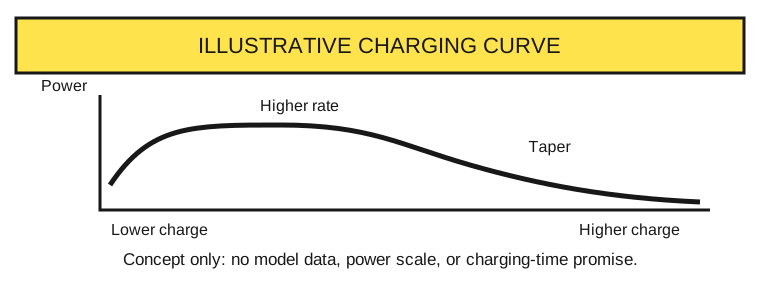
Why an electric car does not charge at peak power all the time
Compare useful charging sessions rather than treating a peak kilowatt figure as a constant rate.
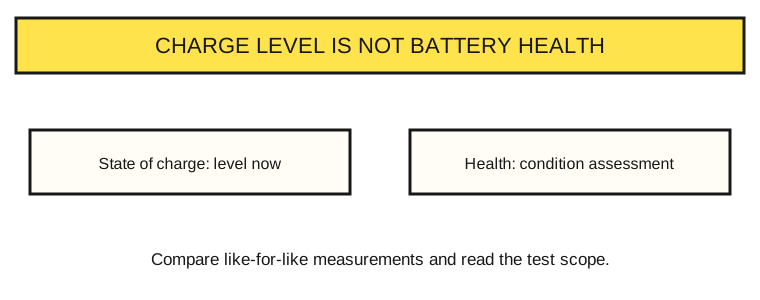
What battery health information can tell a used-EV buyer
Separate current charge, retained capacity, displayed range, and the scope of a battery test.
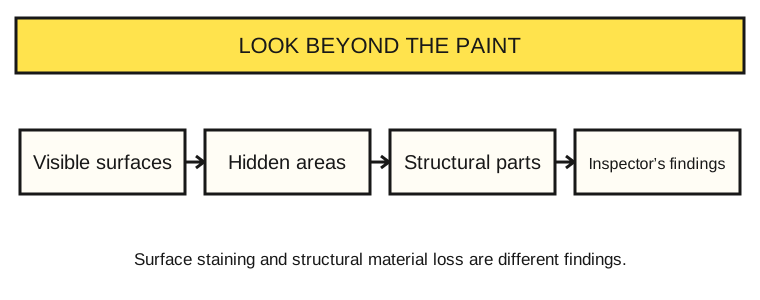
Rust on a used car: why location matters
Distinguish a visible surface concern from damage that affects structure, mountings, or safety components.
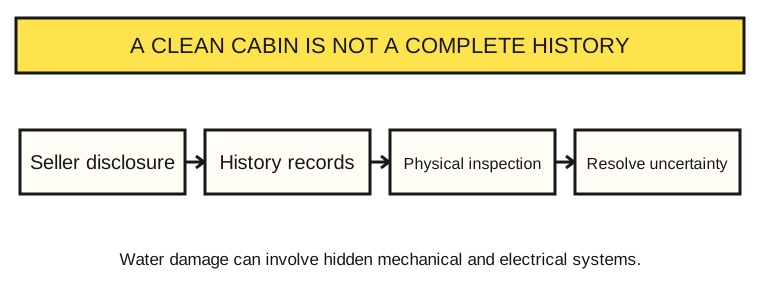
Flood damage: why cleaning and a history report are not enough
Combine records, visible clues, and a qualified inspection while keeping uncertainty explicit.
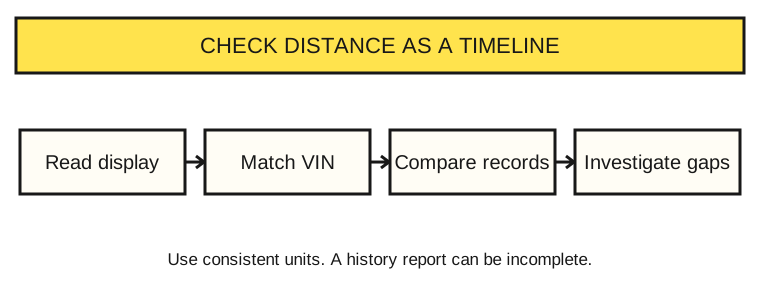
How to read a used car’s odometer history
Build a distance timeline from matching records and investigate inconsistencies without jumping to conclusions.
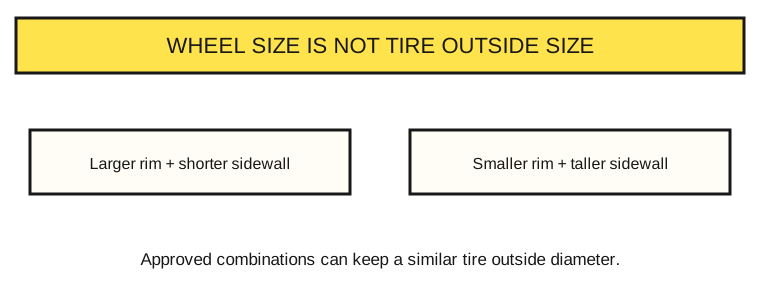
Wheel size, tire sidewalls, and ride comfort
Separate rim diameter from tire outside diameter before judging a wheel package or modification.
Sources and review
Source-checked October 23, 2026. These original summaries use the references below. The linked articles explain each mechanism in more detail and carry their own supporting citations. Review means checking against cited evidence; it is not an independent professional inspection or engineering certification.
- Buying a Used Car From a Dealer
Federal Trade Commission · Do Some Homework; Get an Independent Inspection Before You Buy; The Buyers Guide · Accessed 2026-10-23. Use and rights record.
- Check for Recalls
National Highway Traffic Safety Administration · What will / won’t the license plate and VIN search show? · Accessed 2026-10-23. Use and rights record.
The Federal Trade Commission’s dealer guidance and the National Highway Traffic Safety Administration’s lookup apply to the United States. Buying rights, registration checks, inspections, and recall services vary by market. Confirm local requirements; no universal legal entitlement is claimed here.
Connect this topic to the next
Prefer one route through the whole site? Follow the complete beginner learning path.