Car care and maintenance: understand what needs attention
Learn why maintenance matters, how to find the right service schedule, and what to ask about fluids, tires, warning lights, and service records.
Follow the reading pathSource-checked October 23, 2026. Editorial policy and review limits.
Understand the job before choosing an interval
Start with the manufacturer’s schedule
A maintenance schedule tells you which checks and services the manufacturer specifies for a vehicle. There is no single interval that fits every car. Ford’s service guidance, for example, directs owners to their vehicle’s service portfolio or maintenance portal and says intervals vary with model and engine.
For any make, start at its official owner-support website. Find the documents for the exact model year, engine or powertrain, and market. Look for the maintenance section or separate service guide. If you cannot match the documents to the car, ask the manufacturer’s support team or an authorized service provider to confirm them.
Sources: Ford UK
Different powertrains change the maintenance picture
An all-electric vehicle does not need engine-oil changes. It still has maintenance needs. Hybrids and plug-in hybrids retain a combustion engine, so their care includes engine-related work as well as the requirements of their electrical systems.
Use the fluid guide to learn each fluid’s purpose, then return to the correct schedule. Do not transfer a task list from a different car simply because both vehicles share a badge or body style. The linked articles explain the component; the manufacturer specifies the required service.
Sources: U.S. Department of Energy
Tire pressure is a vehicle-specific instruction
For recommended cold tire pressure, use the vehicle placard or owner manual. “Cold” generally means the car has not been driven for at least three hours. The maximum pressure on the tire sidewall is a different figure.
This is a useful example of a broader reading habit: identify who specifies a value and what condition it assumes. Keep pressure units visible in your notes. If the tires or wheels differ from the manufacturer’s approved setup, ask a qualified professional which instructions apply.
Start here. Build one idea at a time.
Begin with why maintenance exists, then learn the fluids and everyday checks. Use the last lesson to investigate whether the manufacturer defines extra requirements for your pattern of use.
What maintenance does a car need—and why?
Separate routine service from repairing a fault. Learn how to locate instructions before making assumptions about a universal service interval.
Why cars need oil, coolant, and other fluids
Connect oil, coolant, brake fluid, and other fluids to their individual jobs. Similar-looking containers do not make fluids interchangeable.
How to read a tire—and find the right pressure
Decode the label and find the vehicle’s pressure recommendation. Link the numbers you read to a practical maintenance question.
What dashboard warning lights can—and cannot—tell you
Learn why a warning light needs the correct owner manual. Keep a dashboard message separate from a diagnosis of the underlying problem.
Why your driving conditions can change the maintenance schedule
Look for the manufacturer’s definition of demanding use. Compare that definition with actual journeys instead of guessing from annual distance alone.
Common misunderstandings
Every car needs the same oil-change interval
Use the schedule and any applicable oil-life instructions for the exact vehicle. A general explanation of oil’s purpose does not establish one interval for every engine.
Explore this in the full explanation →
An electric car needs no maintenance
Removing the combustion engine removes some service tasks, including engine-oil changes. It does not remove the vehicle’s other maintenance requirements. Start with its own manufacturer schedule.
All 13 explanations in this topic
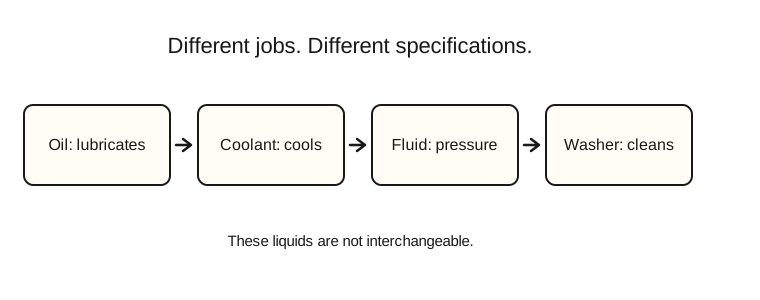
Why cars need oil, coolant, and other fluids
Different fluids do different jobs. The right specification matters more than the color.
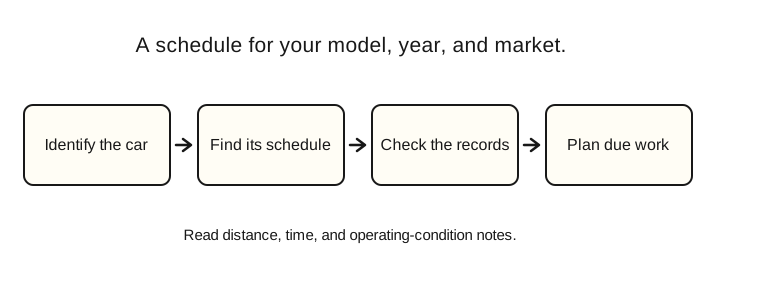
What maintenance does a car need—and why?
Find the right service schedule instead of relying on a universal list of intervals.
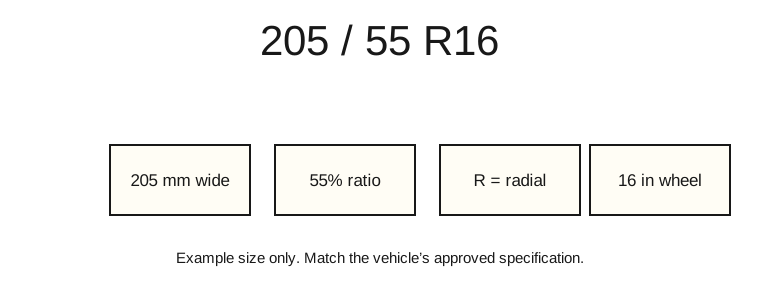
How to read a tire—and find the right pressure
Decode tire sizes, separate tire markings from vehicle instructions, and ask useful replacement questions.
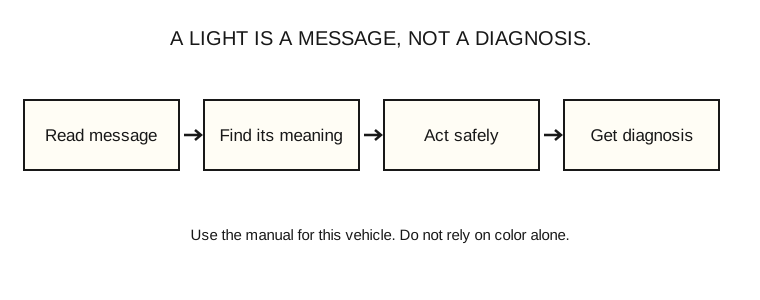
What dashboard warning lights can—and cannot—tell you
Separate a maintenance reminder from a fault warning, and know what evidence to request before buying.
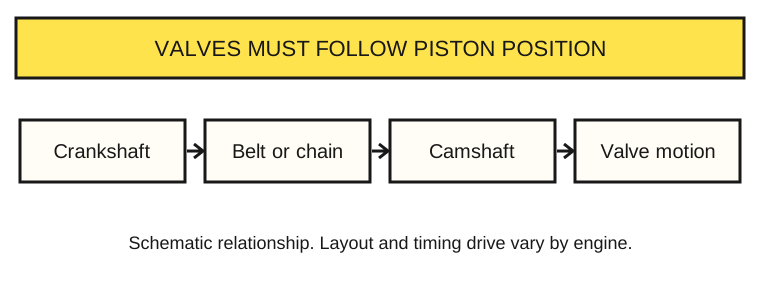
Timing belts and chains: why the engine must stay in step
Understand the link between pistons and valves, and why replacement records matter.
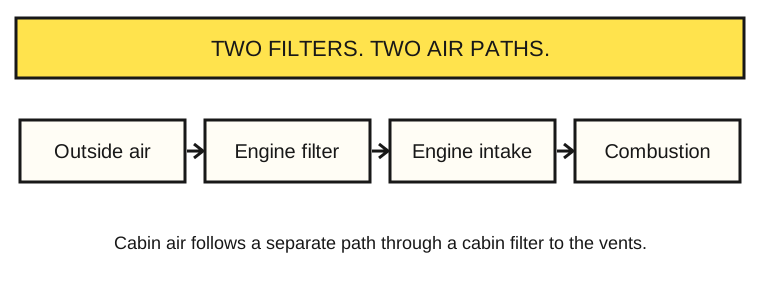
Engine and cabin air filters do different jobs
Follow the air going to the engine and the separate air going to the people inside.
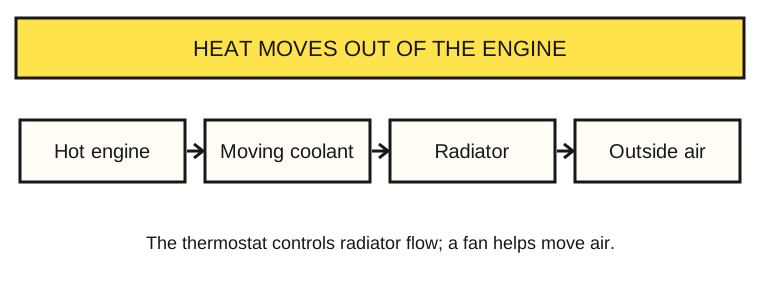
How the engine cooling system moves heat
Understand the pump, thermostat, radiator, and fan without treating every temperature problem as the same fault.
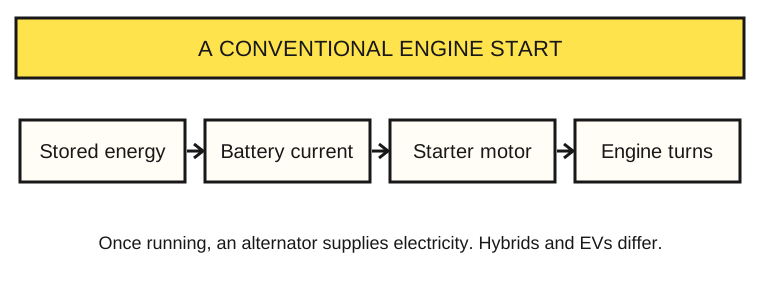
The starter battery, starter motor, and alternator
Learn which part stores electricity, which turns the engine, and which generates electricity while it runs.
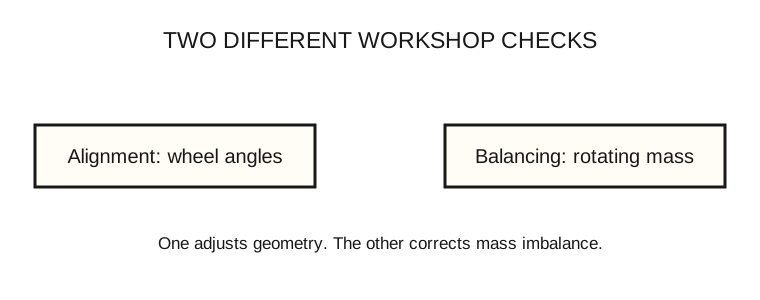
Wheel alignment and balancing are different jobs
Separate wheel angles from rotating mass, and learn why a vibration needs more than a guess.
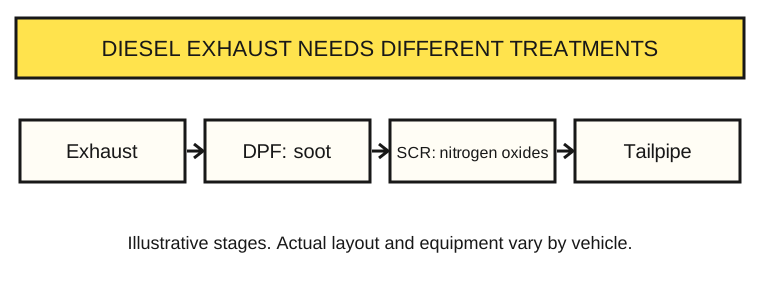
Diesel particulate filters and exhaust fluid explained
Distinguish soot filtration, filter regeneration, and the separate treatment of nitrogen oxides.
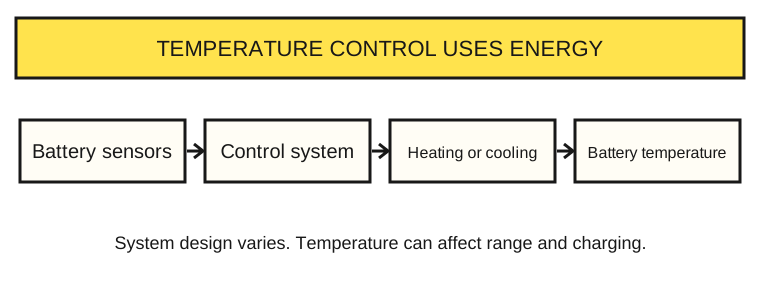
Why an electric car manages battery temperature
Connect battery heating and cooling with range, charging speed, and inspection questions.
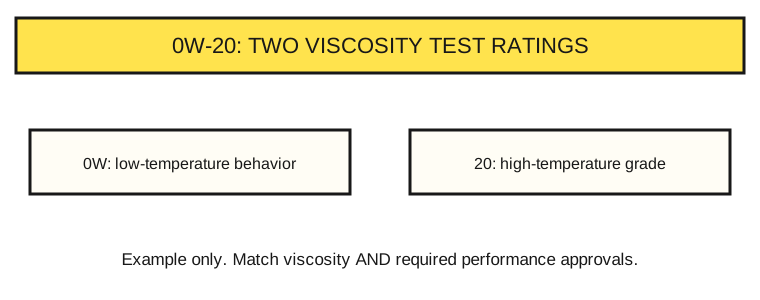
Engine oil grades: what 0W-20 does and does not tell you
Read viscosity separately from performance approvals and the vehicle’s required oil specification.
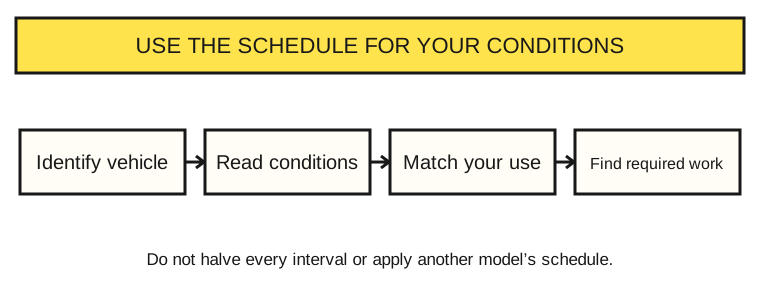
Why your driving conditions can change the maintenance schedule
Match the schedule to the car and its actual use instead of applying one shorter interval to everything.
Sources and review
Source-checked October 23, 2026. These original summaries use the references below. The linked articles explain each mechanism in more detail and carry their own supporting citations. Review means checking against cited evidence; it is not an independent professional inspection or engineering certification.
- Service Intervals and Oil Change Intervals
Ford UK · When should I get my car serviced?; variable oil service intervals · Accessed 2026-10-23. Use and rights record.
- Maintenance and Safety of Electric Vehicles
U.S. Department of Energy · Alternative Fuels Data Center · Maintenance Comparison and Battery Maintenance · Accessed 2026-10-23. Use and rights record.
- Tire Safety Ratings and Awareness · TireWise
National Highway Traffic Safety Administration · Tire Maintenance; Tire Pressure; Aging · Accessed 2026-10-23. Use and rights record.
This guide helps readers understand and find maintenance instructions. It is not a workshop procedure, a universal service schedule, or a substitute for a vehicle-specific safety instruction. Manufacturer examples are identified rather than applied to every make.
Connect this topic to the next
Prefer one route through the whole site? Follow the complete beginner learning path.